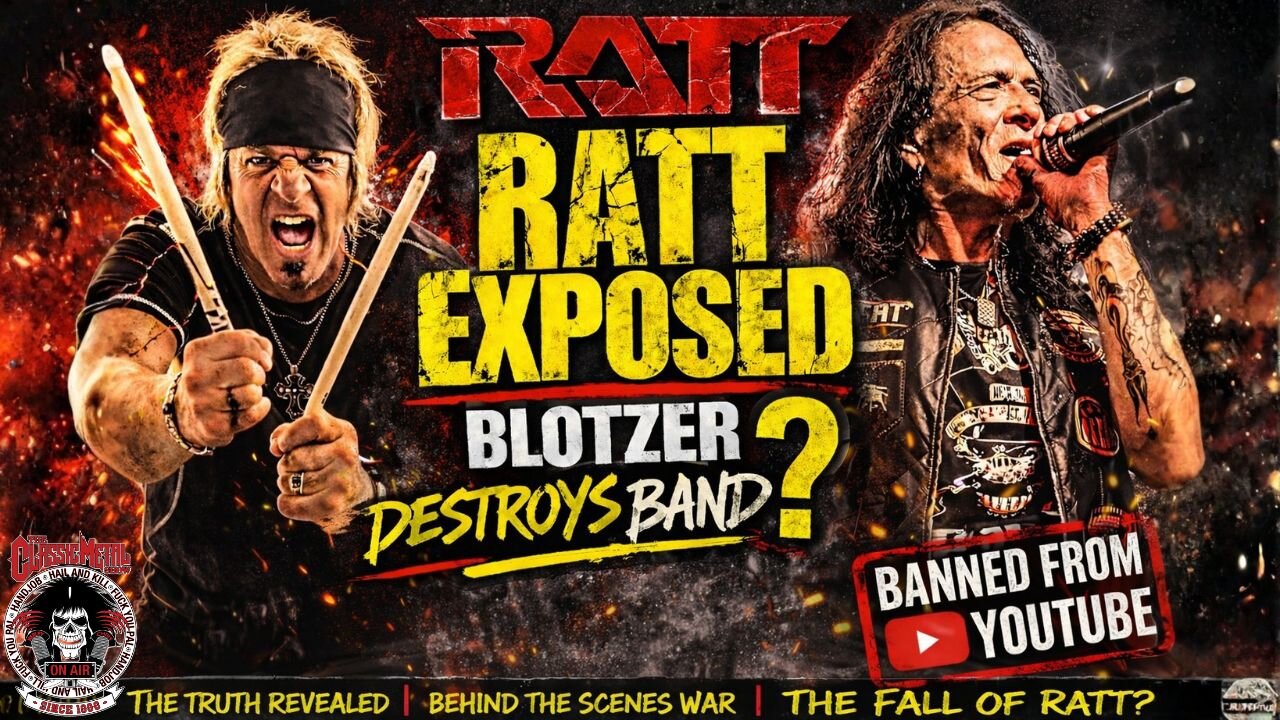
In a raw and revealing new interview, RATT frontman Stephen Pearcy opens up like never before about the meteoric rise, internal chaos, and eventual implosion of one of the biggest hair metal bands of the 1980s. Speaking on Billy Corgan’s “The Magnificent Others” podcast, the iconic singer reflects on the glory days, the mistakes that tore the classic lineup apart, and why he remains the last man standing — still delivering the hits fans crave decades later.
WHAT A PRICE FOR THE STEPHEN PEARCY RELEASE SMASH: https://amzn.to/4e96yt4
Pearcy traces his path to rock stardom back to a near-fatal accident that pushed him toward music. From there, he built RATT with a clear vision, teaming up with guitarist Robbin Crosby and drawing inspiration from Van Halen’s blueprint while mixing in unexpected influences like David Bowie, Blue Öyster Cult, and even Adam Ant. That unique melodic edge helped RATT stand out in the crowded Sunset Strip scene. The band grinded through LA clubs before exploding nationally in 1984 with their debut album Out of the Cellar. The massive hit “Round and Round” climbed to No. 12 on the Billboard Hot 100, the album hit No. 7 and went triple platinum, and follow-up singles “Back for More” and “Wanted Man” kept the momentum roaring. What started as an opening act tour quickly turned into arena-headlining status.
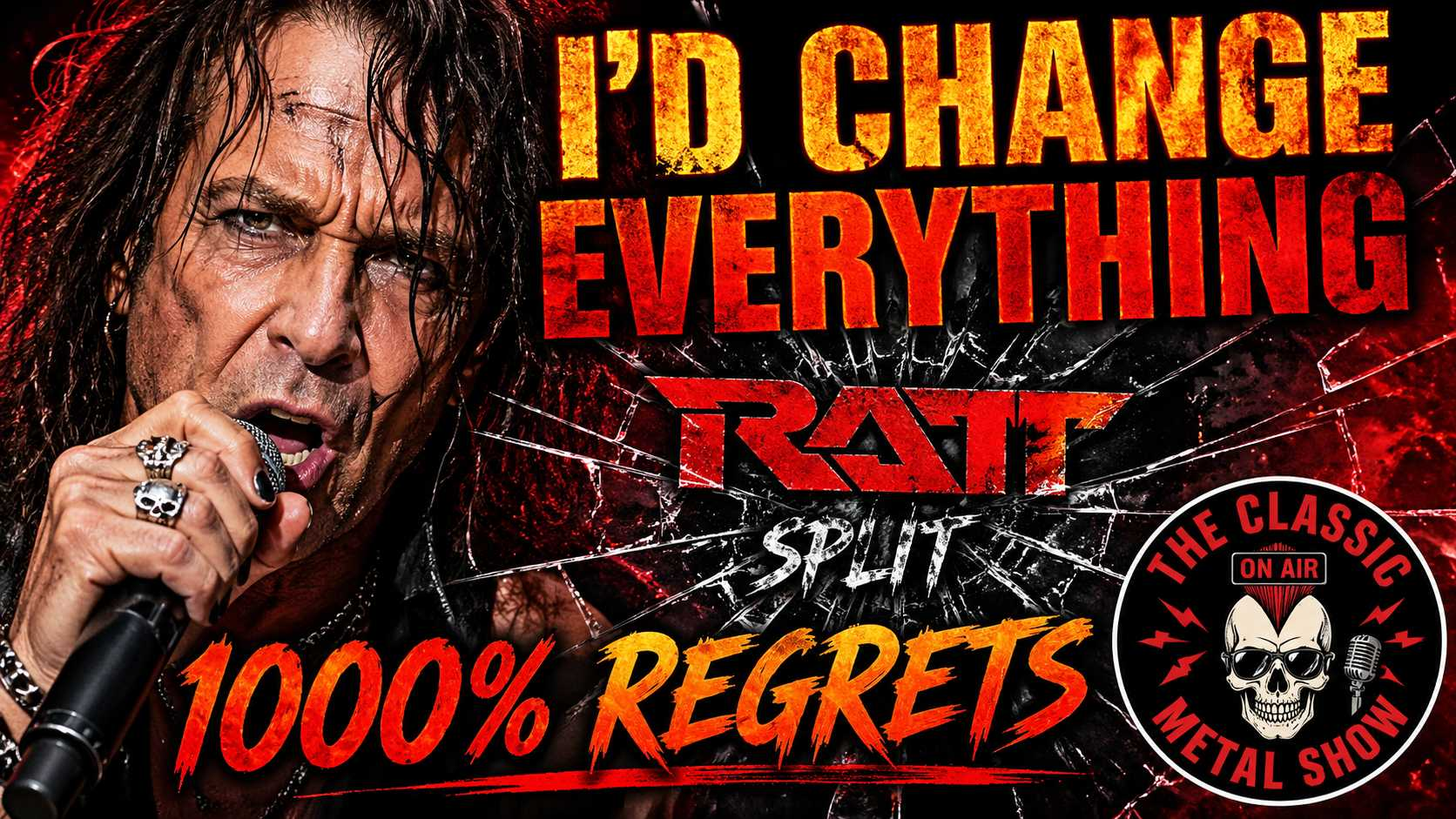
But success came with a price. When asked if he would do anything differently in the early days to keep the classic lineup intact, Pearcy didn’t hold back: “One thousand percent I would’ve done it differently.” He explained that he created the band and wrote the majority of the first EP himself, crediting Crosby as his right-hand man but admitting the chemistry that fueled the early magic eventually crumbled under pressure.
“Too many cooks. One hundred percent,” Pearcy stated bluntly. The first few years with him and Crosby directing the ship worked perfectly, but things changed dramatically once more voices and outside influences took over. He followed Van Halen’s work ethic — look great, kick ass, go for it — but that unified drive disappeared. Pearcy expressed frustration over bandmates who received opportunities they didn’t know how to handle, leading to fractures that ultimately destroyed the group from within.
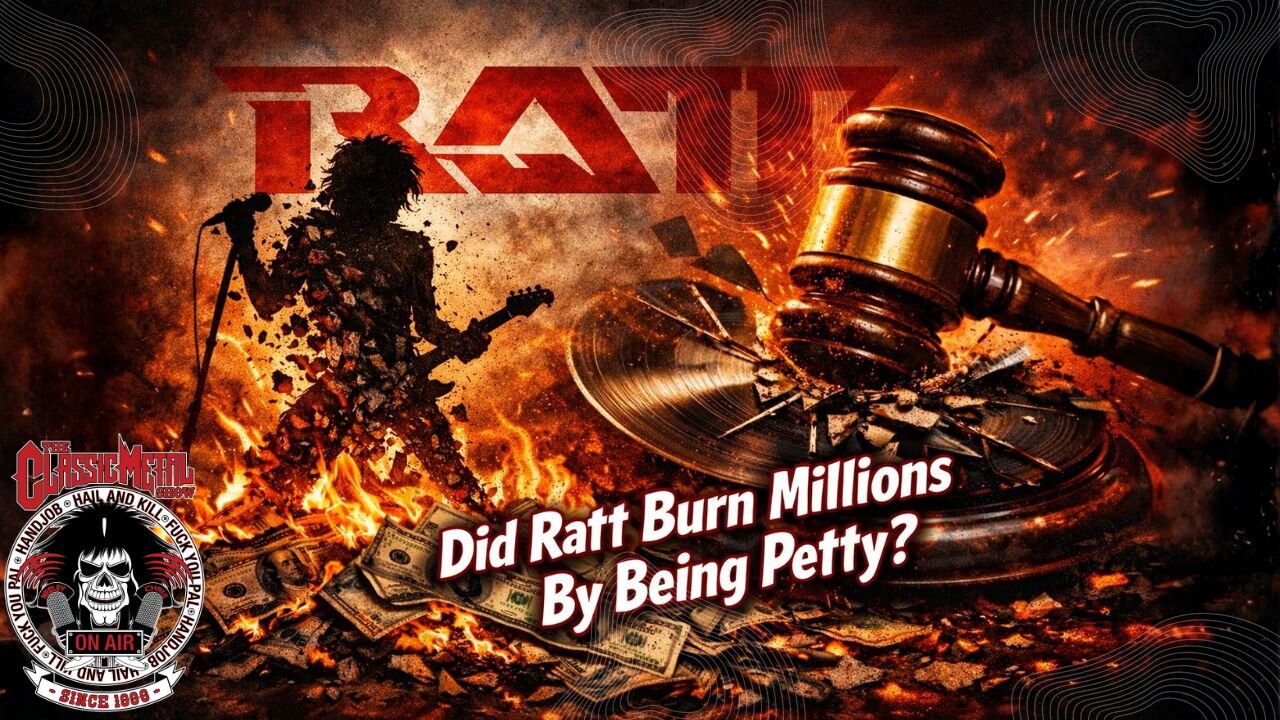
Today, Pearcy is the only member of RATT’s classic lineup still regularly performing the band’s catalog, whether with his solo band or alongside guitarist Warren DeMartini. He proudly calls himself “the last man standing” and cherishes what the band achieved. “We did a good thing,” he says, referencing former manager Marshall Berle’s words about their moment in the spotlight. While he remains open to playing with some former members, he draws the line at reunions that wouldn’t be fun — prioritizing enjoyment and fan connection over nostalgia cash-ins.
Fans continue to show fierce loyalty, with Pearcy noting the tattoos, kids discovering the music, and the colorful energy that still surrounds RATT shows. Even now, he’s always writing and performing, embracing the same bold style he rocked in the ’80s. For Pearcy, the spirit of RATT lives on through the music and the connection with die-hard fans who keep the glory days alive.
The conversation serves as both a celebration of RATT’s undeniable impact and a cautionary tale about the dangers of unchecked egos and poor business decisions in the cutthroat world of rock and roll. As one of the true OGs of the 1980s metal scene, Stephen Pearcy’s candid reflections remind us why the band’s anthems still hit so hard — and why he refuses to let the legacy fade.